
Automate Billing Remediation: A 90-Day Plan to Reduce Agent Workload

Automating billing remediation can significantly reduce agent workload by enabling task completion within messages, eliminating manual processes. By implementing a structured 90-day plan, you can improve resolution rates, lower costs, and enhance customer experience.

Most billing remediation programs stall because the work leaves the conversation. A failed payment triggers outreach, then customers hit a login, switch channels, or wait for an agent. The transaction breaks. The result is more contacts, more rework, and higher unit cost. We’ll walk you through a 90‑day plan that fixes this by finishing tasks inside the message.

We’ll discuss the specific ways to define “completion,” model policy as rules, and guarantee writebacks so payments post and cases close without manual wrap up. You’ll see where time is lost today, how to measure the operations tax accurately, and how to scale resolution without adding new tools to the pile.

Key Takeaways:

  • Measure completion, time to resolution, writeback success, and deflection before you start to expose true costs.

  • Design workflows so the message is the app, identity is verified in flow, and outcomes write back automatically.

  • Start with one failed-payment flow, then expand to plans and contact updates by Day 60.

  • Harden writebacks with idempotency, retries, and alerts so every outcome posts exactly once.

  • Use telemetry to tune cadence, channel sequencing, and templates by Day 90 for sustained deflection.

  • Reserve agents for exceptions with context, not routine wrap up.

Why Automate Billing Remediation Beats More Outreach

Automating billing remediation beats more outreach because completion inside the message removes handoffs, logins, and rekeying. When the customer updates details or selects a plan in a secure mini app, systems update automatically and the case closes. This reduces unit cost and shortens cycle time, which improves straight through rates and cash recovery.
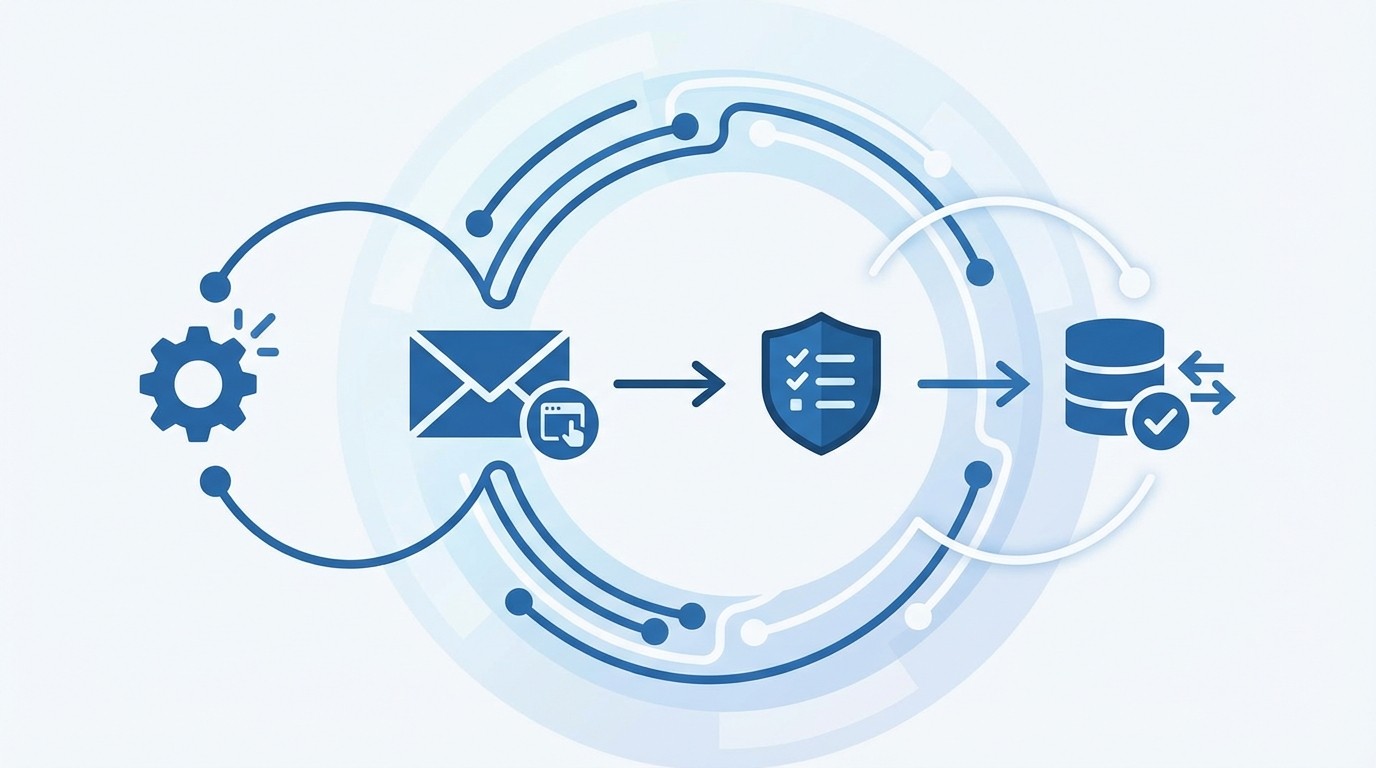
How RadMedia Automates Billing Remediation End to End concept illustration - RadMedia

The hidden waste in failed payment workflows

Most teams add reminders and see contact volume climb, yet completion lags. The hidden waste sits in handoffs and manual wrap up. Identity checks happen on calls, agents toggle systems, notes get typed, and documents scatter. Across thousands of accounts, those minutes add up to weeks of lost throughput and rising risk.

The fix starts with a journey map from trigger to completion. Mark every portal bounce, every login step, every manual update, and every after-call task. Those are not small inconveniences. They are failure points that inflate cost and create errors. Without closing the loop inside the message, you can’t stop the waste.

Consider sketching where work breaks most often:

  • Portal logins that stall at password resets

  • Channel switches that ask customers to start over

  • Manual identity verification and consent capture

  • Rekeyed updates that miss fields or break rules

What changes when the message is the app

When the message is the app, customers act in context. They see a secure mini app, verify identity in flow, update card details, or choose a plan. The moment they submit, the result writes back to the system of record, and audit logs capture consent and timestamps. No portal, no downloads, no agent wrap up.

That single structural change raises completion and reduces variability. You stop losing customers at logins. You stop asking agents to reconcile outcomes. You reduce the risk of partial updates or missing documents. The outcome is simpler: more payments posted, fewer open items, and lower unit cost.

Measure success by completion, not contact volume

Contact volume and bot containment can look healthy while results lag. Completion rate, time to resolution, writeback success, and agent deflection tell the truth. If those numbers don’t move, you are paying to move the same work between channels. Measure the outcomes that actually reduce cost and improve recovery speed.

If you want a broader planning frame for the first 90 days, this guide to a digital automation blueprint offers a helpful cadence you can adapt to collections.

How to Automate Billing Remediation Without Adding Tools to the Pile

You can automate billing remediation without adding tools by defining completion first, modeling policy as rules, and finishing tasks inside the message with guaranteed writebacks. Most teams already have channels. What they lack is the closed loop that writes outcomes back without people in the middle.

It is not a channel problem, it is a completion problem

Teams often multiply channels and still miss outcomes. The real problem is completion that leaves the conversation. Define what “done” means for each flow, then design around it. For failed payments, completion could be an authorized charge or a verified card update posted to the core and confirmed to the customer.

Do the unglamorous work first. Specify the writeback fields and the idempotency keys you need to post outcomes exactly once. Document eligibility and limits as rules, not scripts. Then craft outreach and mini app steps that lead to that outcome without detours. Without this clarity, flows look busy and still fail.

After you define completion, align design choices:

  • Which fields must update for “done,” and where

  • How identity is verified in flow, without a portal

  • What consent needs capturing, and how it is stored

  • Which exceptions should escalate, with full context

Why do portal logins and agent handoffs kill completion?

Every login, app download, or transfer is a chance to bail. It is predictable. People stall on resets, switch devices, or abandon a call queue. Then agents carry the burden, rekey data, and chase missing confirmations. Latency creeps in. Errors creep in. You lose real time and trust.

Replace these breaks with secure, in-message identity and consent. Present only actions allowed by policy and context. When you capture everything in flow and write back automatically, agents stop rekeying, and wrap up disappears. You cut variability from routine cases and protect customers from friction they never asked for.

For a practical change-management lens, see this outline of a 90-day automation plan. It reinforces starting small, proving value, and scaling with confidence.

Define completion states and policies first

Completion is not a feeling. It is a state your systems recognize. Spell it out for each flow: processed payment, card update posted, plan established with terms and consent. Then encode eligibility, limits, and review thresholds as rules so the engine can decide, not a script buried in a call guide.

When policy lives as rules, confidence rises. Straight through paths are clear. Exception paths are predictable. Audits become simpler because the same logic runs every time. You reduce the risk of misunderstood exceptions and unlock reporting you can defend.

The Cost of Not Automating Billing Remediation, With Data You Can Defend

The cost of not automating shows up in four metrics: completion rate, time to resolution, writeback success, and agent deflection. Add unit cost per resolved case for clarity. When these stay flat despite more outreach, you are paying an operations tax that slows recovery and strains teams.
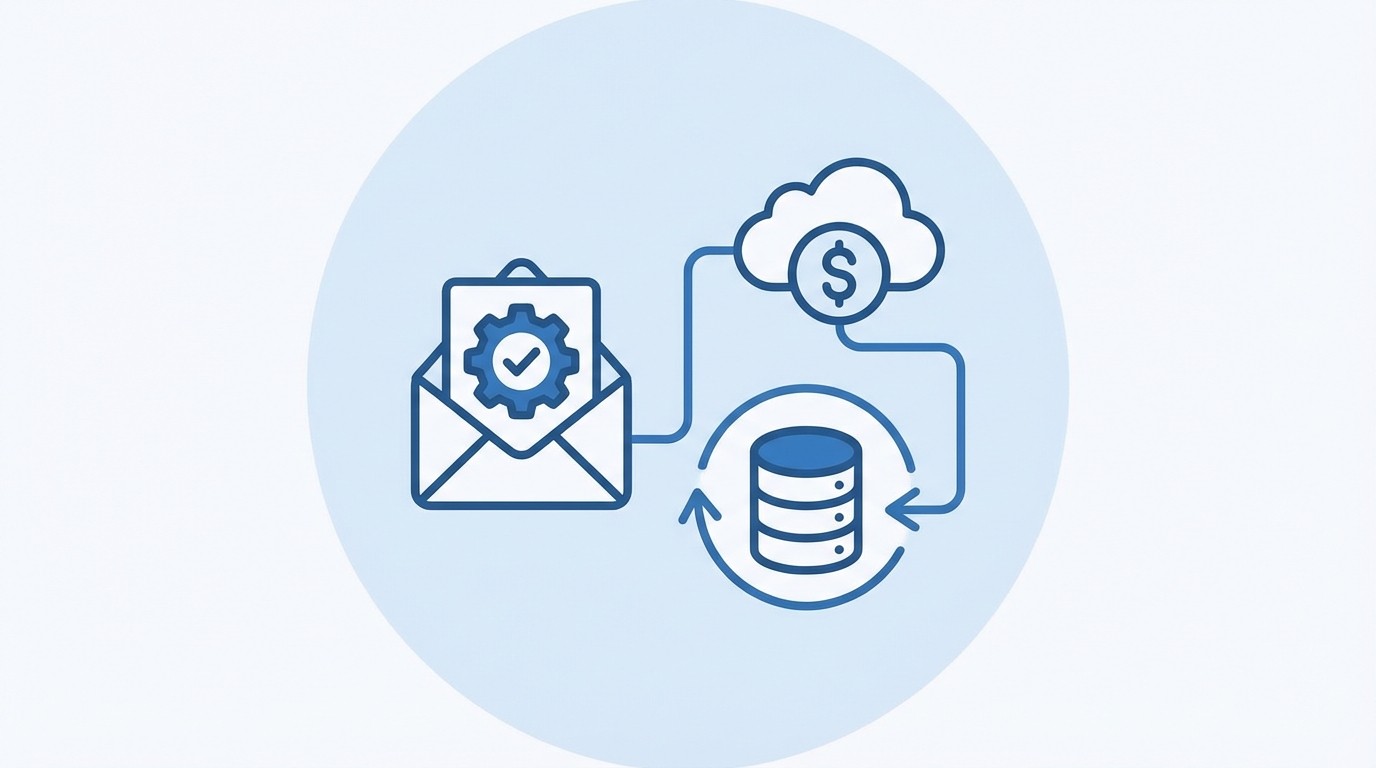
How to Automate Billing Remediation Without Adding Tools to the Pile concept illustration - RadMedia

Quantify the operations tax with four metrics

Start by baselining hard numbers. Completion rate shows whether work actually finishes. Time to resolution shows latency between trigger and outcome. Writeback success shows data integrity. Agent deflection shows how often routine work still lands in queues. Unit cost per resolved case translates everything into money.

These numbers expose hidden waste. If writeback success is low, agents are fixing errors. If time to resolution creeps up, handoffs are piling on. If deflection is weak, your flows aren’t truly closed loop. With credible baselines, you can show reduction in DSO and higher straight through rates by Day 60.

Track these from day one:

  • Completion rate

  • Time to resolution

  • Writeback success rate

  • Agent deflection rate

  • Unit cost per resolved case

How much time do agents lose per failed payment?

Instrument one week of failed-payment cases. Time identity verification, system toggling, notes, emails, and callbacks. Include rework from errors and follow ups after “resolution.” Most teams find tens of minutes per case. Across thousands, that is a material cost and a morale drain.

Put numbers to it. If an average case absorbs 18 minutes of agent time and you process 5,000 failed payments a month, that is 1,500 hours. Even a small improvement compounds. Removing rekeying and wrap up with automatic writebacks yields real savings and frees agents for complex work.

For finance partners, this breakdown on calculating DSO and ROI helps tie operational changes to cash impact.

Baseline your DSO and straight through rates before you start

Capture DSO and days to apply a payment. Track straight through processing for card updates and plan setup. Tie those to revenue at risk to make the stakes explicit. Then review weekly. By Day 60, you should see faster posting and fewer open items if the loop truly closes in-message.

Build a simple cadence with your finance and ops leads. Publish a one-page weekly summary that lists the four core metrics and notes any writeback failures or exception trends. When exceptions shrink and straight through rises, the cost curve bends in a way your CFO can trust. If it does not, you know exactly why.

What It Feels Like When Automation Fails in Collections

Automation fails when it only starts conversations and stops at the last mile. You feel it in persistent queues, rising contact counts, and stubborn cycle times. The work fragments across tools, customers miss logins, and people become the glue. It is frustrating because effort is high and progress is low.

The nightly grind for collections managers

You end the day with dashboards full of sends and replies, yet open items barely move. Agents juggle five systems and repeat the same fixes. Customers who want to pay stall at portals. Finance chases reconciliations because outcomes trickle into the core late or incomplete. The grind is not for lack of skill. It is the cost of a broken loop.

Critics say more training will solve it. Training helps, but it does not remove handoffs, logins, or rekeying. Until the task finishes inside the message and writes back automatically, you will lose time and trust on routine cases. That is the overlooked truth behind many “busy” programs.

What does a resolution first day feel like?

A failed payment triggers a message in the morning. The customer verifies identity and updates details in the mini app. The payment posts, balances update, and a receipt goes out. Exceptions show up with full history, not guesswork. By noon, you see fewer open items and fewer tickets.

It is calmer. Agents focus on real disputes. Supervisors coach exceptions instead of chasing reconciliation. Reporting makes sense because every outcome lands in the system of record with audit data. You feel control returning to the operation, not because you worked harder, but because the system closed the loop.

Common objections, and what the data shows

Some teams worry customers will not trust a link in a message. With signed links, one-time codes, and branded experiences, trust can be earned. Others fear edge cases will derail flows. Good rules and exception paths contain them. The data often shows higher completion and fewer errors when customers act in context.

If you need inspiration on pacing and governance for a 90-day change, this accessibility turnaround plan shows how clear milestones reduce risk and build confidence, even in regulated environments.

90-Day Playbook to Automate Billing Remediation and Cut Agent Time

A 90-day playbook works because it starts small, proves outcomes, then scales. You connect triggers, ship one in-message payment flow, harden writebacks, and tune cadence. By Day 60, straight through outcomes should rise. By Day 90, deflection should be stable, and DSO should start to drop.

Step 1: Days 0 to 30, connect triggers and ship the first in message payment flow

Begin with failed payments. Connect source systems and define a minimal payload. Ship one secure mini app that updates card details or authorizes a one-time charge. Prove writebacks in a sandbox, then with a small production segment. Instrument completion, time to resolution, and writeback success. Keep scope tight.

You do not need a new stack. You need clarity on the outcome and connectivity to post it safely. Use this period to document exception paths and set up alerts for any failed writebacks. The goal is simple: one workflow, one channel, one clear outcome that posts reliably.

Include a short numbered checklist for the team:

  1. Define completion and required writeback fields

  2. Connect triggers and establish data contracts

  3. Ship the mini app and validate identity and consent

  4. Prove idempotent writebacks in sandbox, then production

Step 2: Days 31 to 60, expand flows and harden writebacks

Add payment plans for eligible accounts. Capture consent digitally and encode policy as rules. Introduce a second channel and enforce quiet hours. Implement idempotency keys, retries with backoff, and failure alerts, then validate exception routing with full context. Report weekly on straight through rates and deflection.

By the end of this phase, the loop should be resilient. A network glitch should not create duplicate charges. A rejected card should follow a known exception path. Supervisors should review metrics that show rising completion and fewer agent touches on routine cases. If those numbers lag, fix the write path first.

Step 3: Days 61 to 90, optimize cadence and scale deflection

Use telemetry to tune send windows, template copy, and channel sequencing. Expand audience coverage and add contact update capture to prevent future failures. Consider a second use case that shares components, such as KYC refresh. Set thresholds for deflection and writeback success, then lock a monthly improvement plan tied to DSO and unit cost.

This is where the gains stick. You will find that small timing changes often lift completion. You will also see which exceptions repeat and deserve targeted fixes. Publish the improvements and retire manual steps you no longer need. The goal is sustainable deflection without risk, not a temporary spike.

If you are optimizing how invoices and cycles drive faster payments, this overview on cycle optimization is a useful complement. For reconciling outcomes, explore patterns in automated payment reconciliation.

How RadMedia Automates Billing Remediation End to End

RadMedia automates billing remediation end to end by connecting triggers to in-message mini apps, enforcing policy as rules, and guaranteeing writebacks to your systems. That closes the loop where customers act, which shortens time to resolution, boosts straight through outcomes, and reduces unit cost without adding headcount.

Managed writebacks that eliminate manual wrap up

RadMedia operates adapters for legacy cores and modern APIs, then guarantees writebacks with idempotency and retries. When a customer completes a payment update or selects a plan, balances, flags, notes, and documents update in the system of record automatically. This removes the minutes per case you measured and prevents duplicate posting.

Because writebacks are managed, supervisors stop chasing reconciliation and agents stop rekeying outcomes. Telemetry and alerts surface any failures quickly, and retry policies handle transient issues. The transformation is direct: fewer open items, faster posting, and lower variability on routine cases.

  • Writeback guarantees: idempotency, retries, and monitoring

  • Outcome sync: balances, arrangements, flags, notes, documents

  • Failure handling: alerts, exception paths, and safe fallbacks

In message mini apps that turn alerts into payments

RadMedia’s secure, no download mini apps live inside SMS, email, and WhatsApp. Identity is verified in flow. Only actions allowed by policy and context are presented. Payments process, consents are captured, and receipts are issued. Customers act where they are, without portals or logins, which raises completion and reduces escalation.

This is where alerts become outcomes. Failed-payment reminders convert to posted payments or verified card updates. Plan setup happens with digital consent and clear schedules. Evidence is stored with timestamps, so audits are straightforward. You get higher straight through rates by Day 60 because friction is gone.

  • Identity and consent captured in flow

  • Allowed actions tailored by eligibility and limits

  • Receipts and audit data generated automatically

Omni channel orchestration and policy rules that protect compliance

RadMedia sequences channels and timing based on consent and responsiveness. Policy rules enforce eligibility and amounts. Exceptions escalate with full history so agents start at context. This closes the loop for routine cases and reserves people for disputes and hardship scenarios where judgment matters.

Because policy lives as rules in the workflow engine, outcomes are consistent and defensible. Quiet hours are respected. Cadence avoids fatigue. And when an exception appears, the agent sees messages sent, inputs collected, validation results, and attempted writebacks. That speeds resolution and reduces the risk of error.

  • Smart channel sequencing and quiet hours

  • Rules-based eligibility and limits

  • Context-rich escalations for exceptions

RadMedia is built to deliver resolution-first communication, not just outreach. If your goal is fewer conversations and more completed tasks, this is the path.

Conclusion

Automating billing remediation in 90 days is practical when you design from the outcome back. Define completion, finish tasks inside the message, and guarantee writebacks. Start with one flow, prove it, then scale. When you measure completion, time to resolution, writeback success, and deflection, the improvement is visible and defensible.

You will feel the difference quickly. Fewer open items. Faster posting. Agents focused on true exceptions. Customers acting without friction. If your current stack looks busy and still misses outcomes, pick one high-volume workflow and apply this plan. The results will show up in your metrics and your queues.

Discover how to automate customer communication workflows end-to-end in 90 days. Reduce agent workload and improve cash recovery with our guide.

Automate Billing Remediation: A 90-Day Plan to Reduce Agent Workload - RadMedia professional guide illustration

[{"q":"How do I start automating billing remediation with RadMedia?","a":"To kick off your billing remediation automation with RadMedia, start by identifying a high-volume workflow, like failed payments. First, map out the desired outcome—what completion looks like for this workflow. Then, connect RadMedia to your existing systems using its managed back-end integration feature. This allows you to set up triggers for when payments fail. Finally, use RadMedia's in-message self-service apps to let customers update their payment details directly within the message, ensuring the case closes automatically without additional manual steps."},{"q":"What if my customers prefer different communication channels?","a":"RadMedia can handle this by orchestrating omni-channel messaging. You can set up outreach sequences that adapt to each customer's preferences, whether they prefer SMS, email, or WhatsApp. By using RadMedia’s smart channel sequencing, you can optimize your communication strategy to ensure messages reach customers on their preferred channels at the right times, increasing the likelihood of engagement and completion of tasks."},{"q":"Can I measure the success of my automated workflows?","a":"Yes, you can measure the success of your automated workflows using RadMedia's capabilities. Focus on key metrics like completion rate, time-to-resolution, and writeback success. These metrics will help you understand how effectively your workflows are performing. RadMedia's autopilot workflow engine ensures that outcomes are written back to your systems, allowing you to track these metrics and make informed adjustments to improve efficiency."},{"q":"When should I escalate issues to agents?","a":"You should escalate issues to agents when exceptions occur that prevent the workflow from completing as intended. RadMedia is designed to handle most routine cases automatically, but if there’s an eligibility failure or missing data, the system can route the case to an agent. This escalation includes full context of the customer’s interaction, allowing agents to address the issue without needing to start from scratch."},{"q":"Why does my team need to focus on resolution, not just conversations?","a":"Focusing on resolution rather than just conversations is crucial because it directly impacts operational efficiency and customer satisfaction. Conversations without completion lead to operational debt, increasing costs and customer frustration. By using RadMedia, you can automate workflows that finish inside the message, ensuring that tasks are completed without unnecessary handoffs or delays. This approach not only reduces the workload on your team but also enhances the customer experience."}]

04 Feb 2026

852d0652-dccf-406e-9ce2-f263dd68d374

{"@graph":[{"@id":"https://radmedia.co.za/automate-billing-remediation-a-90-day-plan-to-reduce-agent-workload#article","@type":"Article","image":"https://jdbrszggncetflrhtwcd.supabase.co/storage/v1/object/public/article-images/6dca98ae-107d-47b7-832f-ee543e4b5364/automate-billing-remediation-a-90-day-plan-to-reduce-agent-workload-hero-1770163449768.png","author":{"name":"RadMedia","@type":"Organization"},"headline":"Automate Billing Remediation: A 90-Day Plan to Reduce Agent Workload","keywords":"Automate Customer Communication Workflows End-To-End","publisher":{"name":"RadMedia","@type":"Organization"},"wordCount":2842,"description":"Automate Billing Remediation: A 90-Day Plan to Reduce Agent Workload","dateModified":"2026-02-04T00:03:49.836+00:00","datePublished":"2026-02-04T00:01:17.861979+00:00","mainEntityOfPage":{"@id":"https://radmedia.co.za/automate-billing-remediation-a-90-day-plan-to-reduce-agent-workload","@type":"WebPage"}},{"@id":"https://radmedia.co.za/automate-billing-remediation-a-90-day-plan-to-reduce-agent-workload#howto","name":"Automate Billing Remediation: A 90-Day Plan to Reduce Agent Workload","step":[{"name":"Why Automate Billing Remediation Beats More Outreach","text":"Automating billing remediation beats more outreach because completion inside the message removes handoffs, logins, and rekeying. When the customer updates details or selects a plan in a secure mini app, systems update automatically and the case closes. This reduces unit cost and shortens cycle time, which improves straight through rates and cash recovery. !How RadMedia Automates Billing Remediation End to End concept illustration - RadMedia","@type":"HowToStep","position":1},{"name":"The hidden waste in failed payment workflows","text":"Most teams add reminders and see contact volume climb, yet completion lags. The hidden waste sits in handoffs and manual wrap up. Identity checks happen on calls, agents toggle systems, notes get typed, and documents scatter. Across thousands of accounts, those minutes add up to weeks of lost throughput and rising risk. The fix starts with a journey map from trigger to completion. Mark every portal bounce, every login step, every manual update, and every after-call task. Those are not small inco","@type":"HowToStep","position":2},{"name":"What changes when the message is the app","text":"When the message is the app, customers act in context. They see a secure mini app, verify identity in flow, update card details, or choose a plan. The moment they submit, the result writes back to the system of record, and audit logs capture consent and timestamps. No portal, no downloads, no agent wrap up. That single structural change raises completion and reduces variability. You stop losing customers at logins. You stop asking agents to reconcile outcomes. You reduce the risk of partial upda","@type":"HowToStep","position":3},{"name":"Measure success by completion, not contact volume","text":"Contact volume and bot containment can look healthy while results lag. Completion rate, time to resolution, writeback success, and agent deflection tell the truth. If those numbers don’t move, you are paying to move the same work between channels. Measure the outcomes that actually reduce cost and improve recovery speed. If you want a broader planning frame for the first 90 days, this guide to a digital automation blueprint offers a helpful cadence you can adapt to collections.","@type":"HowToStep","position":4},{"name":"How to Automate Billing Remediation Without Adding Tools to the Pile","text":"You can automate billing remediation without adding tools by defining completion first, modeling policy as rules, and finishing tasks inside the message with guaranteed writebacks. Most teams already have channels. What they lack is the closed loop that writes outcomes back without people in the middle.","@type":"HowToStep","position":5},{"name":"It is not a channel problem, it is a completion problem","text":"Teams often multiply channels and still miss outcomes. The real problem is completion that leaves the conversation. Define what “done” means for each flow, then design around it. For failed payments, completion could be an authorized charge or a verified card update posted to the core and confirmed to the customer. Do the unglamorous work first. Specify the writeback fields and the idempotency keys you need to post outcomes exactly once. Document eligibility and limits as rules, not scripts. The","@type":"HowToStep","position":6},{"name":"Why do portal logins and agent handoffs kill completion?","text":"Every login, app download, or transfer is a chance to bail. It is predictable. People stall on resets, switch devices, or abandon a call queue. Then agents carry the burden, rekey data, and chase missing confirmations. Latency creeps in. Errors creep in. You lose real time and trust. Replace these breaks with secure, in-message identity and consent. Present only actions allowed by policy and context. When you capture everything in flow and write back automatically, agents stop rekeying, and wrap","@type":"HowToStep","position":7},{"name":"Define completion states and policies first","text":"Completion is not a feeling. It is a state your systems recognize. Spell it out for each flow: processed payment, card update posted, plan established with terms and consent. Then encode eligibility, limits, and review thresholds as rules so the engine can decide, not a script buried in a call guide. When policy lives as rules, confidence rises. Straight through paths are clear. Exception paths are predictable. Audits become simpler because the same logic runs every time. You reduce the risk of ","@type":"HowToStep","position":8},{"name":"The Cost of Not Automating Billing Remediation, With Data You Can Defend","text":"The cost of not automating shows up in four metrics: completion rate, time to resolution, writeback success, and agent deflection. Add unit cost per resolved case for clarity. When these stay flat despite more outreach, you are paying an operations tax that slows recovery and strains teams. !How to Automate Billing Remediation Without Adding Tools to the Pile concept illustration - RadMedia","@type":"HowToStep","position":9},{"name":"Quantify the operations tax with four metrics","text":"Start by baselining hard numbers. Completion rate shows whether work actually finishes. Time to resolution shows latency between trigger and outcome. Writeback success shows data integrity. Agent deflection shows how often routine work still lands in queues. Unit cost per resolved case translates everything into money. These numbers expose hidden waste. If writeback success is low, agents are fixing errors. If time to resolution creeps up, handoffs are piling on. If deflection is weak, your flow","@type":"HowToStep","position":10},{"name":"How much time do agents lose per failed payment?","text":"Instrument one week of failed-payment cases. Time identity verification, system toggling, notes, emails, and callbacks. Include rework from errors and follow ups after “resolution.” Most teams find tens of minutes per case. Across thousands, that is a material cost and a morale drain. Put numbers to it. If an average case absorbs 18 minutes of agent time and you process 5,000 failed payments a month, that is 1,500 hours. Even a small improvement compounds. Removing rekeying and wrap up with auto","@type":"HowToStep","position":11},{"name":"Baseline your DSO and straight through rates before you start","text":"Capture DSO and days to apply a payment. Track straight through processing for card updates and plan setup. Tie those to revenue at risk to make the stakes explicit. Then review weekly. By Day 60, you should see faster posting and fewer open items if the loop truly closes in-message. Build a simple cadence with your finance and ops leads. Publish a one-page weekly summary that lists the four core metrics and notes any writeback failures or exception trends. When exceptions shrink and straight th","@type":"HowToStep","position":12},{"name":"What It Feels Like When Automation Fails in Collections","text":"Automation fails when it only starts conversations and stops at the last mile. You feel it in persistent queues, rising contact counts, and stubborn cycle times. The work fragments across tools, customers miss logins, and people become the glue. It is frustrating because effort is high and progress is low.","@type":"HowToStep","position":13},{"name":"The nightly grind for collections managers","text":"You end the day with dashboards full of sends and replies, yet open items barely move. Agents juggle five systems and repeat the same fixes. Customers who want to pay stall at portals. Finance chases reconciliations because outcomes trickle into the core late or incomplete. The grind is not for lack of skill. It is the cost of a broken loop. Critics say more training will solve it. Training helps, but it does not remove handoffs, logins, or rekeying. Until the task finishes inside the message an","@type":"HowToStep","position":14},{"name":"What does a resolution first day feel like?","text":"A failed payment triggers a message in the morning. The customer verifies identity and updates details in the mini app. The payment posts, balances update, and a receipt goes out. Exceptions show up with full history, not guesswork. By noon, you see fewer open items and fewer tickets. It is calmer. Agents focus on real disputes. Supervisors coach exceptions instead of chasing reconciliation. Reporting makes sense because every outcome lands in the system of record with audit data. You feel contr","@type":"HowToStep","position":15},{"name":"Common objections, and what the data shows","text":"Some teams worry customers will not trust a link in a message. With signed links, one-time codes, and branded experiences, trust can be earned. Others fear edge cases will derail flows. Good rules and exception paths contain them. The data often shows higher completion and fewer errors when customers act in context. If you need inspiration on pacing and governance for a 90-day change, this accessibility turnaround plan shows how clear milestones reduce risk and build confidence, even in regulate","@type":"HowToStep","position":16},{"name":"90-Day Playbook to Automate Billing Remediation and Cut Agent Time","text":"A 90-day playbook works because it starts small, proves outcomes, then scales. You connect triggers, ship one in-message payment flow, harden writebacks, and tune cadence. By Day 60, straight through outcomes should rise. By Day 90, deflection should be stable, and DSO should start to drop.","@type":"HowToStep","position":17},{"name":"Step 1: Days 0 to 30, connect triggers and ship the first in message payment flow","text":"Begin with failed payments. Connect source systems and define a minimal payload. Ship one secure mini app that updates card details or authorizes a one-time charge. Prove writebacks in a sandbox, then with a small production segment. Instrument completion, time to resolution, and writeback success. Keep scope tight. You do not need a new stack. You need clarity on the outcome and connectivity to post it safely. Use this period to document exception paths and set up alerts for any failed writebac","@type":"HowToStep","position":18},{"name":"Step 2: Days 31 to 60, expand flows and harden writebacks","text":"Add payment plans for eligible accounts. Capture consent digitally and encode policy as rules. Introduce a second channel and enforce quiet hours. Implement idempotency keys, retries with backoff, and failure alerts, then validate exception routing with full context. Report weekly on straight through rates and deflection. By the end of this phase, the loop should be resilient. A network glitch should not create duplicate charges. A rejected card should follow a known exception path. Supervisors ","@type":"HowToStep","position":19},{"name":"Step 3: Days 61 to 90, optimize cadence and scale deflection","text":"Use telemetry to tune send windows, template copy, and channel sequencing. Expand audience coverage and add contact update capture to prevent future failures. Consider a second use case that shares components, such as KYC refresh. Set thresholds for deflection and writeback success, then lock a monthly improvement plan tied to DSO and unit cost. This is where the gains stick. You will find that small timing changes often lift completion. You will also see which exceptions repeat and deserve targ","@type":"HowToStep","position":20},{"name":"How RadMedia Automates Billing Remediation End to End","text":"RadMedia automates billing remediation end to end by connecting triggers to in-message mini apps, enforcing policy as rules, and guaranteeing writebacks to your systems. That closes the loop where customers act, which shortens time to resolution, boosts straight through outcomes, and reduces unit cost without adding headcount.","@type":"HowToStep","position":21},{"name":"Managed writebacks that eliminate manual wrap up","text":"RadMedia operates adapters for legacy cores and modern APIs, then guarantees writebacks with idempotency and retries. When a customer completes a payment update or selects a plan, balances, flags, notes, and documents update in the system of record automatically. This removes the minutes per case you measured and prevents duplicate posting. Because writebacks are managed, supervisors stop chasing reconciliation and agents stop rekeying outcomes. Telemetry and alerts surface any failures quickly,","@type":"HowToStep","position":22},{"name":"In message mini apps that turn alerts into payments","text":"RadMedia’s secure, no download mini apps live inside SMS, email, and WhatsApp. Identity is verified in flow. Only actions allowed by policy and context are presented. Payments process, consents are captured, and receipts are issued. Customers act where they are, without portals or logins, which raises completion and reduces escalation. This is where alerts become outcomes. Failed-payment reminders convert to posted payments or verified card updates. Plan setup happens with digital consent and cl","@type":"HowToStep","position":23},{"name":"Omni channel orchestration and policy rules that protect compliance","text":"RadMedia sequences channels and timing based on consent and responsiveness. Policy rules enforce eligibility and amounts. Exceptions escalate with full history so agents start at context. This closes the loop for routine cases and reserves people for disputes and hardship scenarios where judgment matters. Because policy lives as rules in the workflow engine, outcomes are consistent and defensible. Quiet hours are respected. Cadence avoids fatigue. And when an exception appears, the agent sees me","@type":"HowToStep","position":24}],"@type":"HowTo","image":"https://jdbrszggncetflrhtwcd.supabase.co/storage/v1/object/public/article-images/6dca98ae-107d-47b7-832f-ee543e4b5364/automate-billing-remediation-a-90-day-plan-to-reduce-agent-workload-hero-1770163449768.png","totalTime":"PT19M","description":"Automate Billing Remediation: A 90-Day Plan to Reduce Agent Workload"},{"@id":"https://radmedia.co.za/automate-billing-remediation-a-90-day-plan-to-reduce-agent-workload#breadcrumb","@type":"BreadcrumbList","itemListElement":[{"item":"https://radmedia.co.za","name":"Home","@type":"ListItem","position":1},{"item":"https://radmedia.co.za/automate-billing-remediation-a-90-day-plan-to-reduce-agent-workload","name":"Automate Billing Remediation: A 90-Day Plan to Reduce Agent ","@type":"ListItem","position":2}]}],"@context":"https://schema.org"}

[{"url":"https://jdbrszggncetflrhtwcd.supabase.co/storage/v1/object/public/article-images/6dca98ae-107d-47b7-832f-ee543e4b5364/automate-billing-remediation-a-90-day-plan-to-reduce-agent-workload-inline-0-1770163469073.png","alt":"How RadMedia Automates Billing Remediation End to End concept illustration - RadMedia","filename":"automate-billing-remediation-a-90-day-plan-to-reduce-agent-workload-inline-0-1770163469073.png","position":"after_h2_1","asset_id":null,"type":"ai_generated","dimensions":{"width":1024,"height":1024}},{"url":"https://jdbrszggncetflrhtwcd.supabase.co/storage/v1/object/public/article-images/6dca98ae-107d-47b7-832f-ee543e4b5364/automate-billing-remediation-a-90-day-plan-to-reduce-agent-workload-inline-1-1770163484483.png","alt":"How to Automate Billing Remediation Without Adding Tools to the Pile concept illustration - RadMedia","filename":"automate-billing-remediation-a-90-day-plan-to-reduce-agent-workload-inline-1-1770163484483.png","position":"after_h2_3","asset_id":null,"type":"ai_generated","dimensions":{"width":1024,"height":1024}}]

86

2842

Most billing remediation programs stall because the work leaves the conversation. A failed payment triggers outreach, then customers hit a login, switch channels, or wait for an agent. The transaction breaks. The result is more contacts, more rework, and higher unit cost. We’ll walk you through a 90‑day plan that fixes this by finishing tasks inside the message.

We’ll discuss the specific ways to define “completion,” model policy as rules, and guarantee writebacks so payments post and cases close without manual wrap up. You’ll see where time is lost today, how to measure the operations tax accurately, and how to scale resolution without adding new tools to the pile.

Key Takeaways:

  • Measure completion, time to resolution, writeback success, and deflection before you start to expose true costs.

  • Design workflows so the message is the app, identity is verified in flow, and outcomes write back automatically.

  • Start with one failed-payment flow, then expand to plans and contact updates by Day 60.

  • Harden writebacks with idempotency, retries, and alerts so every outcome posts exactly once.

  • Use telemetry to tune cadence, channel sequencing, and templates by Day 90 for sustained deflection.

  • Reserve agents for exceptions with context, not routine wrap up.

Why Automate Billing Remediation Beats More Outreach

Automating billing remediation beats more outreach because completion inside the message removes handoffs, logins, and rekeying. When the customer updates details or selects a plan in a secure mini app, systems update automatically and the case closes. This reduces unit cost and shortens cycle time, which improves straight through rates and cash recovery.

How RadMedia Automates Billing Remediation End to End concept illustration - RadMedia

The hidden waste in failed payment workflows

Most teams add reminders and see contact volume climb, yet completion lags. The hidden waste sits in handoffs and manual wrap up. Identity checks happen on calls, agents toggle systems, notes get typed, and documents scatter. Across thousands of accounts, those minutes add up to weeks of lost throughput and rising risk.

The fix starts with a journey map from trigger to completion. Mark every portal bounce, every login step, every manual update, and every after-call task. Those are not small inconveniences. They are failure points that inflate cost and create errors. Without closing the loop inside the message, you can’t stop the waste.

Consider sketching where work breaks most often:

  • Portal logins that stall at password resets

  • Channel switches that ask customers to start over

  • Manual identity verification and consent capture

  • Rekeyed updates that miss fields or break rules

What changes when the message is the app

When the message is the app, customers act in context. They see a secure mini app, verify identity in flow, update card details, or choose a plan. The moment they submit, the result writes back to the system of record, and audit logs capture consent and timestamps. No portal, no downloads, no agent wrap up.

That single structural change raises completion and reduces variability. You stop losing customers at logins. You stop asking agents to reconcile outcomes. You reduce the risk of partial updates or missing documents. The outcome is simpler: more payments posted, fewer open items, and lower unit cost.

Measure success by completion, not contact volume

Contact volume and bot containment can look healthy while results lag. Completion rate, time to resolution, writeback success, and agent deflection tell the truth. If those numbers don’t move, you are paying to move the same work between channels. Measure the outcomes that actually reduce cost and improve recovery speed.

If you want a broader planning frame for the first 90 days, this guide to a digital automation blueprint offers a helpful cadence you can adapt to collections.

How to Automate Billing Remediation Without Adding Tools to the Pile

You can automate billing remediation without adding tools by defining completion first, modeling policy as rules, and finishing tasks inside the message with guaranteed writebacks. Most teams already have channels. What they lack is the closed loop that writes outcomes back without people in the middle.

It is not a channel problem, it is a completion problem

Teams often multiply channels and still miss outcomes. The real problem is completion that leaves the conversation. Define what “done” means for each flow, then design around it. For failed payments, completion could be an authorized charge or a verified card update posted to the core and confirmed to the customer.

Do the unglamorous work first. Specify the writeback fields and the idempotency keys you need to post outcomes exactly once. Document eligibility and limits as rules, not scripts. Then craft outreach and mini app steps that lead to that outcome without detours. Without this clarity, flows look busy and still fail.

After you define completion, align design choices:

  • Which fields must update for “done,” and where

  • How identity is verified in flow, without a portal

  • What consent needs capturing, and how it is stored

  • Which exceptions should escalate, with full context

Why do portal logins and agent handoffs kill completion?

Every login, app download, or transfer is a chance to bail. It is predictable. People stall on resets, switch devices, or abandon a call queue. Then agents carry the burden, rekey data, and chase missing confirmations. Latency creeps in. Errors creep in. You lose real time and trust.

Replace these breaks with secure, in-message identity and consent. Present only actions allowed by policy and context. When you capture everything in flow and write back automatically, agents stop rekeying, and wrap up disappears. You cut variability from routine cases and protect customers from friction they never asked for.

For a practical change-management lens, see this outline of a 90-day automation plan. It reinforces starting small, proving value, and scaling with confidence.

Define completion states and policies first

Completion is not a feeling. It is a state your systems recognize. Spell it out for each flow: processed payment, card update posted, plan established with terms and consent. Then encode eligibility, limits, and review thresholds as rules so the engine can decide, not a script buried in a call guide.

When policy lives as rules, confidence rises. Straight through paths are clear. Exception paths are predictable. Audits become simpler because the same logic runs every time. You reduce the risk of misunderstood exceptions and unlock reporting you can defend.

The Cost of Not Automating Billing Remediation, With Data You Can Defend

The cost of not automating shows up in four metrics: completion rate, time to resolution, writeback success, and agent deflection. Add unit cost per resolved case for clarity. When these stay flat despite more outreach, you are paying an operations tax that slows recovery and strains teams.

How to Automate Billing Remediation Without Adding Tools to the Pile concept illustration - RadMedia

Quantify the operations tax with four metrics

Start by baselining hard numbers. Completion rate shows whether work actually finishes. Time to resolution shows latency between trigger and outcome. Writeback success shows data integrity. Agent deflection shows how often routine work still lands in queues. Unit cost per resolved case translates everything into money.

These numbers expose hidden waste. If writeback success is low, agents are fixing errors. If time to resolution creeps up, handoffs are piling on. If deflection is weak, your flows aren’t truly closed loop. With credible baselines, you can show reduction in DSO and higher straight through rates by Day 60.

Track these from day one:

  • Completion rate

  • Time to resolution

  • Writeback success rate

  • Agent deflection rate

  • Unit cost per resolved case

How much time do agents lose per failed payment?

Instrument one week of failed-payment cases. Time identity verification, system toggling, notes, emails, and callbacks. Include rework from errors and follow ups after “resolution.” Most teams find tens of minutes per case. Across thousands, that is a material cost and a morale drain.

Put numbers to it. If an average case absorbs 18 minutes of agent time and you process 5,000 failed payments a month, that is 1,500 hours. Even a small improvement compounds. Removing rekeying and wrap up with automatic writebacks yields real savings and frees agents for complex work.

For finance partners, this breakdown on calculating DSO and ROI helps tie operational changes to cash impact.

Baseline your DSO and straight through rates before you start

Capture DSO and days to apply a payment. Track straight through processing for card updates and plan setup. Tie those to revenue at risk to make the stakes explicit. Then review weekly. By Day 60, you should see faster posting and fewer open items if the loop truly closes in-message.

Build a simple cadence with your finance and ops leads. Publish a one-page weekly summary that lists the four core metrics and notes any writeback failures or exception trends. When exceptions shrink and straight through rises, the cost curve bends in a way your CFO can trust. If it does not, you know exactly why.

What It Feels Like When Automation Fails in Collections

Automation fails when it only starts conversations and stops at the last mile. You feel it in persistent queues, rising contact counts, and stubborn cycle times. The work fragments across tools, customers miss logins, and people become the glue. It is frustrating because effort is high and progress is low.

The nightly grind for collections managers

You end the day with dashboards full of sends and replies, yet open items barely move. Agents juggle five systems and repeat the same fixes. Customers who want to pay stall at portals. Finance chases reconciliations because outcomes trickle into the core late or incomplete. The grind is not for lack of skill. It is the cost of a broken loop.

Critics say more training will solve it. Training helps, but it does not remove handoffs, logins, or rekeying. Until the task finishes inside the message and writes back automatically, you will lose time and trust on routine cases. That is the overlooked truth behind many “busy” programs.

What does a resolution first day feel like?

A failed payment triggers a message in the morning. The customer verifies identity and updates details in the mini app. The payment posts, balances update, and a receipt goes out. Exceptions show up with full history, not guesswork. By noon, you see fewer open items and fewer tickets.

It is calmer. Agents focus on real disputes. Supervisors coach exceptions instead of chasing reconciliation. Reporting makes sense because every outcome lands in the system of record with audit data. You feel control returning to the operation, not because you worked harder, but because the system closed the loop.

Common objections, and what the data shows

Some teams worry customers will not trust a link in a message. With signed links, one-time codes, and branded experiences, trust can be earned. Others fear edge cases will derail flows. Good rules and exception paths contain them. The data often shows higher completion and fewer errors when customers act in context.

If you need inspiration on pacing and governance for a 90-day change, this accessibility turnaround plan shows how clear milestones reduce risk and build confidence, even in regulated environments.

90-Day Playbook to Automate Billing Remediation and Cut Agent Time

A 90-day playbook works because it starts small, proves outcomes, then scales. You connect triggers, ship one in-message payment flow, harden writebacks, and tune cadence. By Day 60, straight through outcomes should rise. By Day 90, deflection should be stable, and DSO should start to drop.

Step 1: Days 0 to 30, connect triggers and ship the first in message payment flow

Begin with failed payments. Connect source systems and define a minimal payload. Ship one secure mini app that updates card details or authorizes a one-time charge. Prove writebacks in a sandbox, then with a small production segment. Instrument completion, time to resolution, and writeback success. Keep scope tight.

You do not need a new stack. You need clarity on the outcome and connectivity to post it safely. Use this period to document exception paths and set up alerts for any failed writebacks. The goal is simple: one workflow, one channel, one clear outcome that posts reliably.

Include a short numbered checklist for the team:

  1. Define completion and required writeback fields

  2. Connect triggers and establish data contracts

  3. Ship the mini app and validate identity and consent

  4. Prove idempotent writebacks in sandbox, then production

Step 2: Days 31 to 60, expand flows and harden writebacks

Add payment plans for eligible accounts. Capture consent digitally and encode policy as rules. Introduce a second channel and enforce quiet hours. Implement idempotency keys, retries with backoff, and failure alerts, then validate exception routing with full context. Report weekly on straight through rates and deflection.

By the end of this phase, the loop should be resilient. A network glitch should not create duplicate charges. A rejected card should follow a known exception path. Supervisors should review metrics that show rising completion and fewer agent touches on routine cases. If those numbers lag, fix the write path first.

Step 3: Days 61 to 90, optimize cadence and scale deflection

Use telemetry to tune send windows, template copy, and channel sequencing. Expand audience coverage and add contact update capture to prevent future failures. Consider a second use case that shares components, such as KYC refresh. Set thresholds for deflection and writeback success, then lock a monthly improvement plan tied to DSO and unit cost.

This is where the gains stick. You will find that small timing changes often lift completion. You will also see which exceptions repeat and deserve targeted fixes. Publish the improvements and retire manual steps you no longer need. The goal is sustainable deflection without risk, not a temporary spike.

If you are optimizing how invoices and cycles drive faster payments, this overview on cycle optimization is a useful complement. For reconciling outcomes, explore patterns in automated payment reconciliation.

How RadMedia Automates Billing Remediation End to End

RadMedia automates billing remediation end to end by connecting triggers to in-message mini apps, enforcing policy as rules, and guaranteeing writebacks to your systems. That closes the loop where customers act, which shortens time to resolution, boosts straight through outcomes, and reduces unit cost without adding headcount.

Managed writebacks that eliminate manual wrap up

RadMedia operates adapters for legacy cores and modern APIs, then guarantees writebacks with idempotency and retries. When a customer completes a payment update or selects a plan, balances, flags, notes, and documents update in the system of record automatically. This removes the minutes per case you measured and prevents duplicate posting.

Because writebacks are managed, supervisors stop chasing reconciliation and agents stop rekeying outcomes. Telemetry and alerts surface any failures quickly, and retry policies handle transient issues. The transformation is direct: fewer open items, faster posting, and lower variability on routine cases.

  • Writeback guarantees: idempotency, retries, and monitoring

  • Outcome sync: balances, arrangements, flags, notes, documents

  • Failure handling: alerts, exception paths, and safe fallbacks

In message mini apps that turn alerts into payments

RadMedia’s secure, no download mini apps live inside SMS, email, and WhatsApp. Identity is verified in flow. Only actions allowed by policy and context are presented. Payments process, consents are captured, and receipts are issued. Customers act where they are, without portals or logins, which raises completion and reduces escalation.

This is where alerts become outcomes. Failed-payment reminders convert to posted payments or verified card updates. Plan setup happens with digital consent and clear schedules. Evidence is stored with timestamps, so audits are straightforward. You get higher straight through rates by Day 60 because friction is gone.

  • Identity and consent captured in flow

  • Allowed actions tailored by eligibility and limits

  • Receipts and audit data generated automatically

Omni channel orchestration and policy rules that protect compliance

RadMedia sequences channels and timing based on consent and responsiveness. Policy rules enforce eligibility and amounts. Exceptions escalate with full history so agents start at context. This closes the loop for routine cases and reserves people for disputes and hardship scenarios where judgment matters.

Because policy lives as rules in the workflow engine, outcomes are consistent and defensible. Quiet hours are respected. Cadence avoids fatigue. And when an exception appears, the agent sees messages sent, inputs collected, validation results, and attempted writebacks. That speeds resolution and reduces the risk of error.

  • Smart channel sequencing and quiet hours

  • Rules-based eligibility and limits

  • Context-rich escalations for exceptions

RadMedia is built to deliver resolution-first communication, not just outreach. If your goal is fewer conversations and more completed tasks, this is the path.

Conclusion

Automating billing remediation in 90 days is practical when you design from the outcome back. Define completion, finish tasks inside the message, and guarantee writebacks. Start with one flow, prove it, then scale. When you measure completion, time to resolution, writeback success, and deflection, the improvement is visible and defensible.

You will feel the difference quickly. Fewer open items. Faster posting. Agents focused on true exceptions. Customers acting without friction. If your current stack looks busy and still misses outcomes, pick one high-volume workflow and apply this plan. The results will show up in your metrics and your queues.